
Listen: This Entrepreneur Is "Flipping" Towns
As Craig, Colorado transitions away from its roots as a coal town, local entrepreneurs like Kirstie McPherson are laying the groundwork for its next phase of life.
When TriState Generation and Transmission and Xcel Energy announced that both the coal mines and power plant would be shutdown by 2030, local residents of Craig, Colorado were left wondering, "what's next?" For entrepreneur and economic behavioralist Kirstie McPherson, the answer is community building. In this first episode of the Startup Colorado Podcast, Season 4, we visited Kirstie's business The Find & 518 Wine Bar to learn how the concept of "flipping houses" can be applied to whole towns.
Listen on Apple Podcasts, Spotify, or Google.
Meet Kirstie McPherson
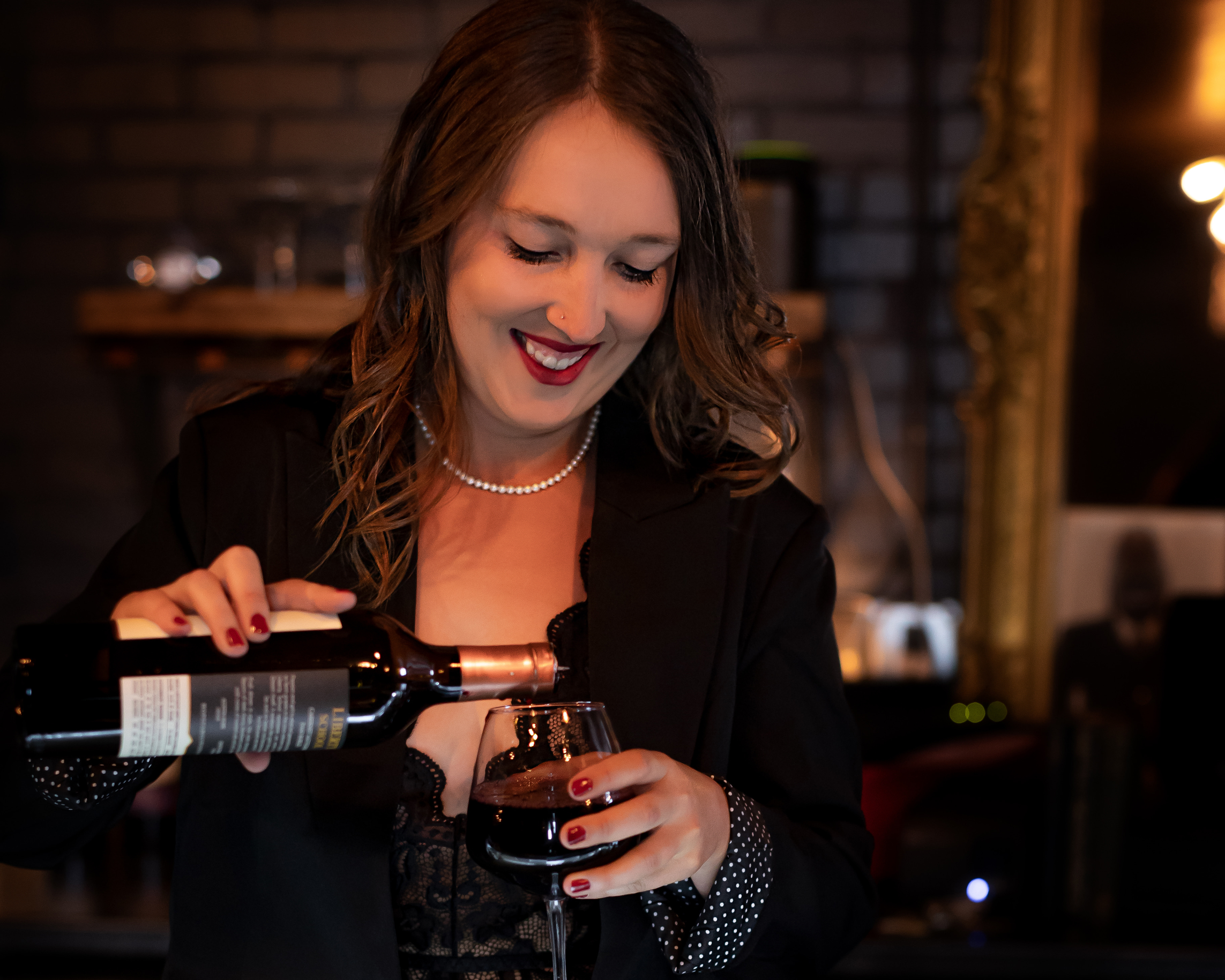
Kirstie is the founder of The Find and 518 Wine Bar in Craig, Loveland, and Meeker, Colorado. She is also a Behavioral Economist who’s research has focused on economic development throughout her career. Kirstie's primary focus is transitioning economies, such as coal reliant communities and other one industry communities, in working with their redevelopment strategies and communication programs.
Kirstie is answering your questions about financing a business in rural Colorado through January 13th. Participate in this month's Entrepreneur Network Ask Me Anything today.
Transcript
Margaret: I’m Margaret Hedderman. On this season of the podcast, we’re hitting the road and meeting entrepreneurs at the center of the big, transformational changes taking place in rural Colorado.
It’s actually a very fitting theme for us at Startup Colorado, because like many rural communities, we too are undergoing a fundamental transition. Startup Colorado was originally launched as an outreach program at The University of Colorado in Boulder, but as of the New Year, we are now officially a 501(c)3 nonprofit. This transition will enable us to better serve rural entrepreneurs around the state via our virtual community and resource network, online and in-person events, financial awards, and, of course, our storytelling initiatives like the podcast. You can learn more about new status as a nonprofit and join our free online community at StartupColorado.org.
Ok, so let’s get started with our first episode of the season. A few months ago, I headed to the town of Craig in Northwest Colorado to meet with an entrepreneur who is actively involved in the community’s economic transformation.
----
Kirstie: We have a really historic downtown. So most of the buildings like the building the find is in is…
Sound of a diesel truck driving past
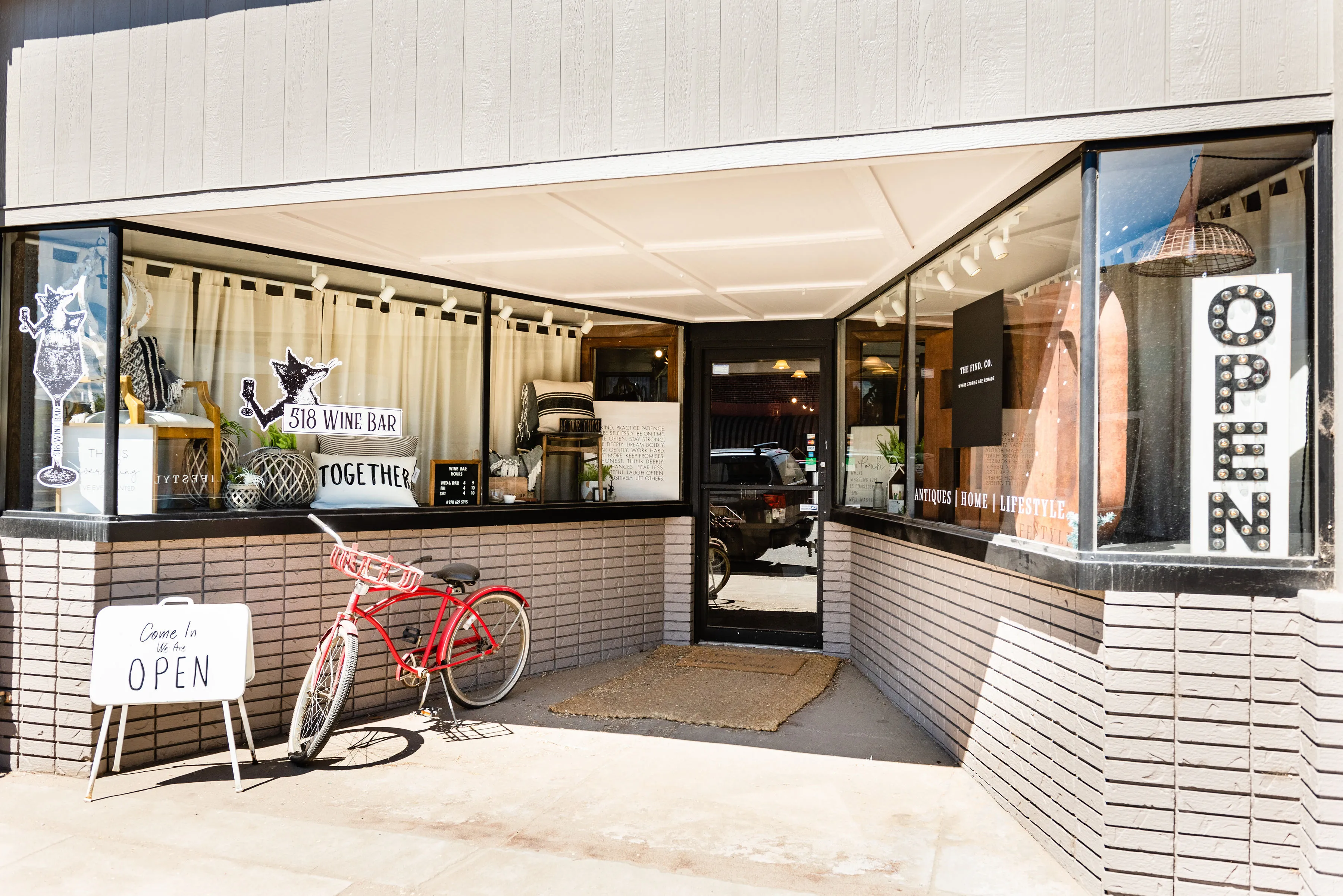
Margaret: We pause for the diesel engine to go by. It’s an otherwise quiet afternoon in Craig, CO. I’m standing outside of The Find and Wine Bar with the owner, Kirstie McPherson. She’s actually the owner of several businesses including a commercial real estate holding group and two economic development consulting companies.
It’s kind of like Kirstie is on both sides of the same coin. She’s a business owner AND she works in economic development. It’s like he’s actively participating in economic development, then examining the effects. Which makes her the perfect person to talk to about the changes taking place in Craig.
Kirstie: I mean, you can just kind of see what's new in the area, which is the brewery and Moffat mercantile. There's a ton of fun things happening down here. We have brand new sidewalks, which sounds ridiculous to point out, but it's very important.
Margaret: It’s true. You can totally see all the energy and new businesses cropping up in Craig. Everything from retail to a food hall for new restaurants. The Find and Wine Bar were kind of at the cusp of that trend.
Like many towns in rural Colorado, Craig is transitioning its economy and you can just see how the old and the new are colliding. We’ll get into that later. For now, let’s see what’s inside The Find.
Kirstie: So you see all of the kind of like old, the original brick, the original ceiling tiles…
Margaret: Inside, there is a curated collection of antiques and other stylish home décor items, including an enormous wardrobe that we find ourselves standing next to.
Kirstie: He's three different pieces and weighs a ton. And I've moved him twice. And he goes very well in here. He's also slightly haunted, but we'll cover that later.
Margaret: …Can we cover it right now?
Kirstie: Yeah, no, he just has some fun that he doesn't like being talked about a whole lot.
Margaret: Apparently the last time Kirstie talked about the wardrobe, she came into work the next morning and everything in the store had just been moved, like just shoved overnight, to the opposite side of the store. I’m not sure how he is going to respond to being mentioned in a podcast, so we’re going to move along to the safety of the wine bar.
Sound of footsteps on wood floor
Margaret: We settle onto a gold velvet couch. The room is otherwise painted black with these bright pops of savory colors in the furniture or art. It has such a cool, trendy vibe, but… it kind of feels out of place in this very traditional Western town. Kirstie’s wine bar is, in fact, the first wine bar in Craig.
Kirstie: Nobody wants to be the first person right. When I said I was gonna open the wine bar in 2019. I had two business partners, and we are all like, yep, we're gonna do this. We're opening the wine bar. Everybody thought we were freaking nuts. Like, they're like people don’t drink wine in Craig, as it turns out, people drink wine in Craig. Who knew?
Margaret: The Find and Wine Bar is kind of the perfect example of community building in a town that’s experiencing a major economic and social transformation.
Kirstie: What we're going to end up seeing kind of happening and what my role is actively is trying to do those initial investments that make it less scary, hopefully for other people.
Margaret: Around the same time that Kirstie opened the Find and the Wine Bar, a few other businesses in downtown Craig were popping up like the Moffat Mercantile, a brewery, and boutiques.
Kirstie: So our downtown used to be like a place where after four o'clock, you didn't see a car. And now after five, there's no parking. And so we're already seeing it become more of a, an active, vibrant space for not just one block, but three blocks.
Margaret: Ok, pause. I think we need to back up a little bit…
Sound of a tape rewinding
Margaret: And give a little bit of background information on Craig, Colorado.
For generations, Craig has been a coal town. Between the mines and the largest power generation plant in the state, hundreds of locals have found high-paying jobs. But in 2020, TriState Generation and Transmission and Xcel Energy announced they would be closing their coal fired plants and mines.
Kirstie: So our entire industry is changing over the next by 2030. So we're going to lose about $20 million of our tax base. It's close to about 500 jobs in total. And so it's a really, really big deal for where we are as a community, like right now, and what we're going to look like in the future. And I think that that has a lot to do with how rapid our change is actually happening.
Margaret: Craig has been growing the last few years. It’s about an hour from Steamboat Springs, so there’s a good number of remote workers and commuters moving to town. Craig is also seeing a big push to grow the outdoor recreation and tourism industry.
Kirstie said that all of that has really led the town to really struggle with its identity.
Kirstie: If you are being told your entire life, that I am a teacher, and all of a sudden that was taken away from you imagine how that would feel. And that's how these entire communities and all of these people are feeling. It's like dying 1000 deaths until it actually happens.
Margaret: So, that’s why I drove, like 8 hours across the state, to sit in this wine bar with Kirstie. Because building businesses like this, in towns like this, is what can make these major economic and societal transitions possible. And, unsurprisingly, it starts with community.
Kirstie: A vibrant downtown and a vibrant district of any kind is what makes a community, a community, it's where places and people get to connect.
Margaret: While Kirstie had been working in community and economic development throughout the United States, it wasn’t until she returned to her hometown of Craig that she invested personally into a community’s future.
Kirstie: My dad has actually worked at the coal mine, since its inception, for the most part, he's going to be there for 45 years, next year when he retires. And so that's why I came back is because it's one of those, I was working with all these transitioning communities, and really trying to figure out the next steps since I came back to Craig.
Margaret: With the help of a loan from her parents, Kirstie opened the first location of The Find in Hayden – about 17 miles away – then began expanding. There’s a location in Loveland and this Spring she’ll be opening another wine bar in Meeker. On top of all that, she’s involved the Bad Alibi Distillery here in Craig. She calls the act of creating community through placemaking … “town flipping.”
Kirstie: You know how some people talk about flipping houses, like I tried to flip whole towns.
Margaret: She’s kind of, like, a part of the entire momentum that’s driving change in the Moffat County area. Ironically, Kirstie said that the most important thing to keep in mind when transitioning communities – particularly legacy energy communities— is that it’s a slow process.
Kirstie: There's a way to do it correctly, while you're also honoring the different things that have happened, especially these communities who have provided energy for the States for decades. I think there's a way to honor that while you're continuing to move over into the next thing.
Margaret: Thanks for listening to this week’s show. If you want to learn more or get involved with rural Colorado’s entrepreneurs, join our free peer to peer network at StartupColorado.org. and don’t forget to check out the show notes on our website for pictures and links to the businesses we spoke to today.
Margaret: The Startup Colorado Podcast is produced and edited by me, Margaret Hedderman. Our theme music was written and produced by Erin Roberts, of Porlolo Music. Additional research and support was provided by our podcast research assistant Elise Ertl.
Connect with other rural entrepreneurs like Kirstie on the Startup Colorado Network. Join today.
The Startup Colorado podcast is made possible by gracious supporters like you. Learn more about becoming a sponsor or making a personal contribution of any amount by emailing [email protected].