
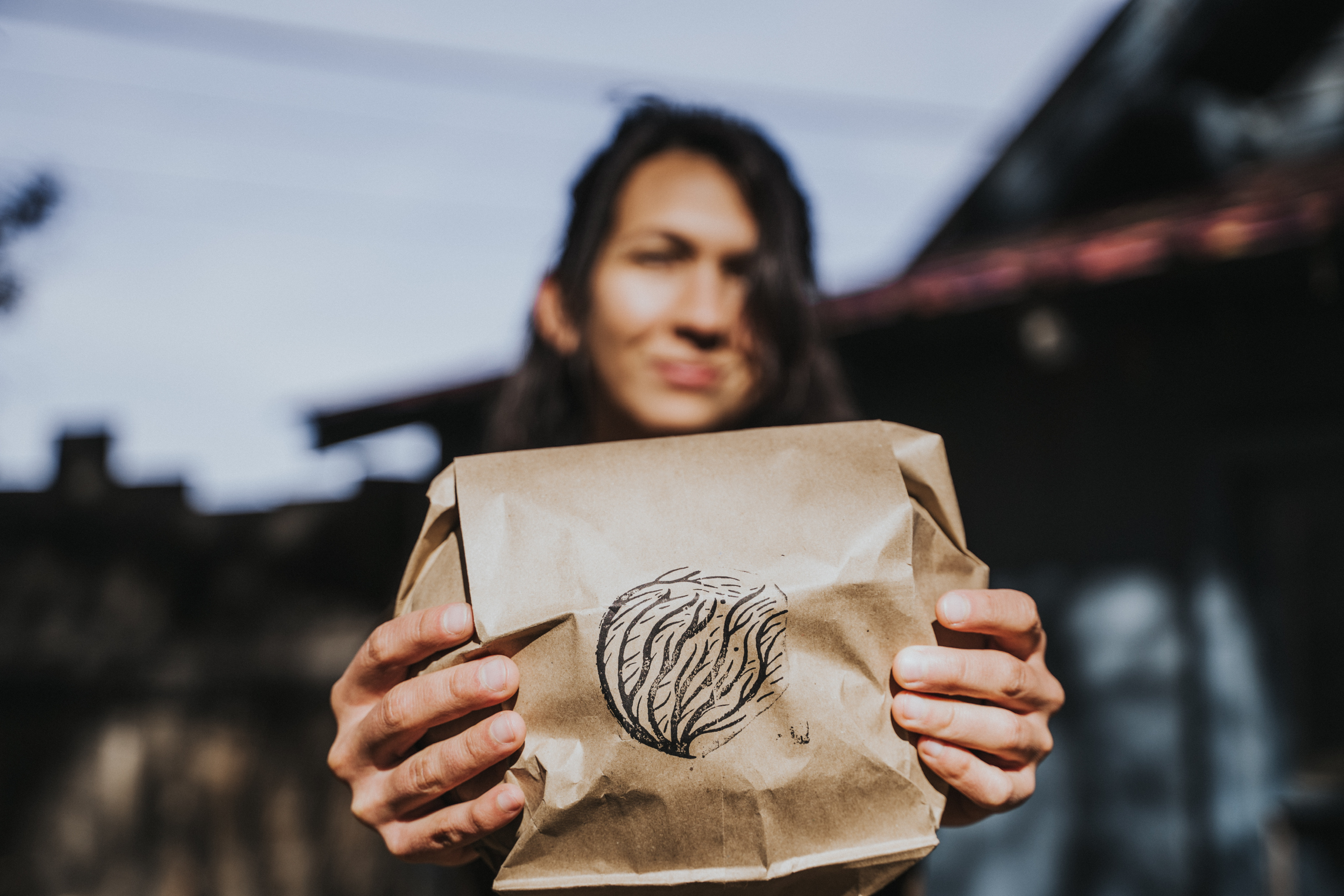
Listen: From Baker to Business Owner - How Jessica Larriva Launched Tumbleweed Bread
Jessica Larriva never set out to become a business owner. She’s a baker. But when her mother fell ill, Jessica returned home to Colorado’s San Luis Valley and soon discovered that starting a business was a necessity. Here’s how Jessica launched Tumbleweed Bread—an artisan sourdough baking company that serves the San Luis Valley—and a nonprofit that addresses food insecurity in the region.
Listen on Apple Podcasts, Google Play, and Spotify.
Discover more Colorado startups, connect with mentors and funders, and get advice on starting a business (or scaling) via our free, online community. Join now.
About Tumbleweed Bread in Monte Vista, Colorado
Tumbleweed Bread is an artisan, naturally levened wholesale bakery in Monte Vista. Founded by Jessica Larriva in 2017, Tumbleweed Bread sources local grains to naturally infuse her baked goods with prebiotic fiber, proteins, vitamins and minerals. As a result of the pandemic, Jessica launched Tomorrow’s Bread to address food insecurity in the region.
Transcript
Margaret: I’m Margaret Hedderman. And before we get started today, I want to share some super exciting news. West Slope Startup Week is coming to Durango, Colorado on August 21-25th. Startup Colorado is proud to serve as the fiscal agent behind this community-driven event and cannot wait to meet, connect, and support rural entrepreneurs in-person later this summer. The event organizers are currently accepting session submissions as well as volunteers, so head over to WestSlopeStartupWeek.com to tell us what sort of programming you want to see. The deadline is approaching, so get cracking.
Alright, in this episode of the Startup Colorado Podcast, we’re off to the San Luis Valley where we’ll meet Jessica Larriva, the founder and head baker at Tumbleweed Bread.
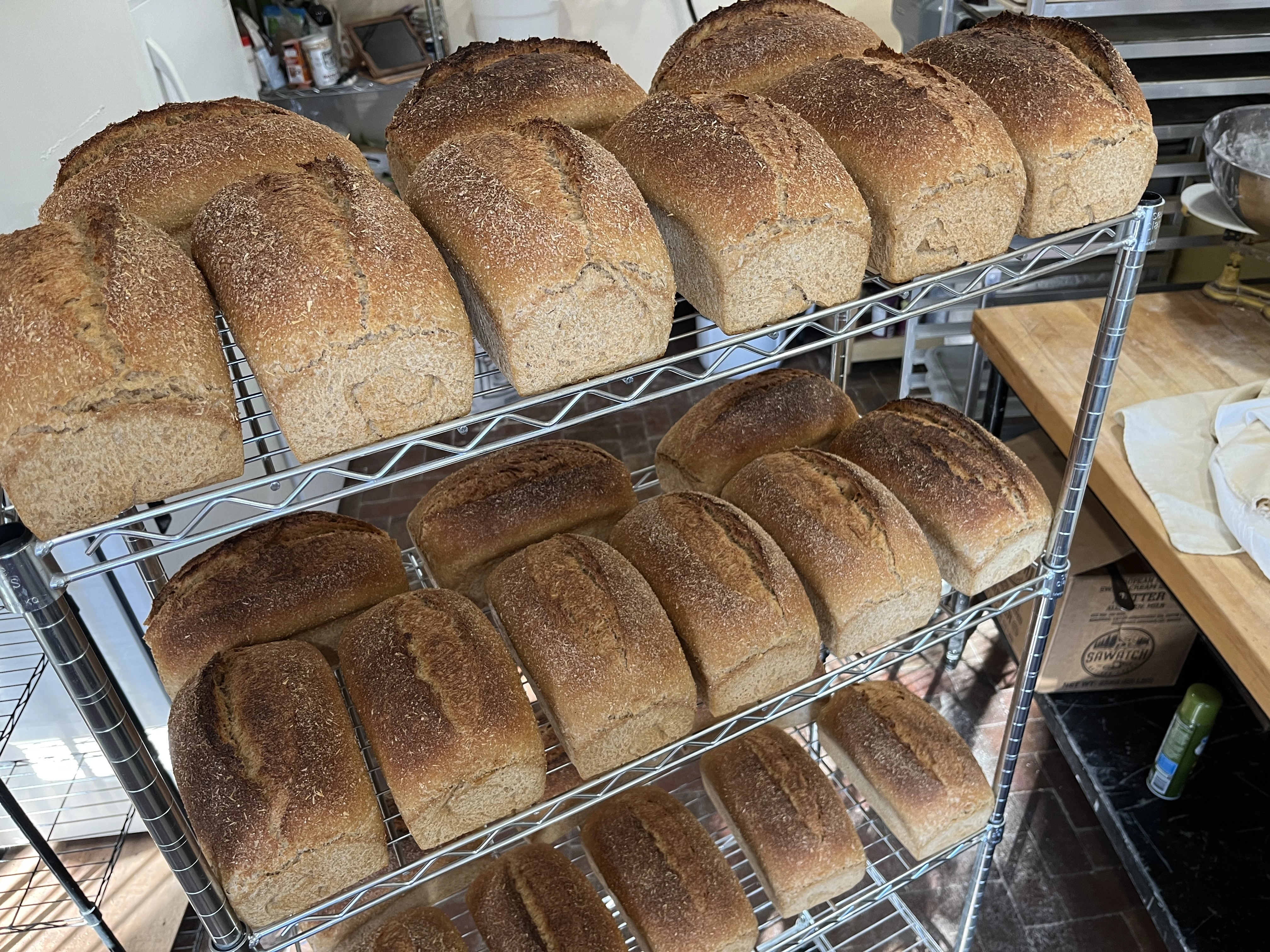
Jessica: I tend to spray the top with water first. And then I sprinkle it with some bran that I get straight from the mill. And then I'll score them and put them in my Rothko oven.
Margaret: Jessica slides several trays of sourdough bread into the oven and shuts it. It’s still relatively early in the morning, and Jessica is filling wholesale orders and prepping for the farmer’s market. Tumbleweed Bread doesn’t have a storefront, and instead distributes to numerous coffee shops, markets, and delis through the Valley.
Jessica also recently launched a nonprofit, Tomorrow’s Bread, to address food insecurity in the San Luis Valley. She estimates they’ll donate 12,000 pounds of bread this year.
It’s pretty impressive… especially considering that Jessica never set out to be a business owner.
Jessica: I don't consider myself a super savvy business owner, per se. I am, you know, I'm a good baker. But running of, the running of the business has been, you know, the most challenging thing…
Margaret: Jessica grew up in the Valley, but like a lot of kids, she dreamed of moving to the big city. She headed to Portland, Oregon, where she worked at artisan bakeries and really learned the trade.
Jessica: In 2017, I moved back to the San Luis Valley to take care of my mom. She had Parkinson's, and she just wasn't doing very well, and I am the only daughter, so I kind of knew that I would be the one taking care of her.
Margaret: Although there are now a few bakeries in the San Luis Valley, at the time there was nothing. Nowhere for Jessica to find a job. So, she decided to start her own bakery out her kitchen. She setup little pop-up shops around the valley, and one of the first was a feed mill.
Jessica: So, I had a lot of farmers and ranchers who would be coming in for, you know, whatever feed they're needing for their livestock, and then they would buy bread from me this little, little person just sitting there with like, five loaves of bread, you know.
Margaret: Her business slowly grew and after a few years she was able to purchase the building she’s now in and setup a commercial kitchen.
Jessica: Prior to moving back, I had been working at Tabor Bread, which is a, you know, very artisan small bakery in Portland, you know, they mill all their own flour. They have a big, beautiful woodfired oven. You know, everything is naturally leavened with a sourdough. So, that really got under my skin, like I couldn't think of going back to kind of doing the fast yeast bread.
Margaret: Jessica connected with Mountain Mama Milling in Monte Vista. Mountain Mama is a stone mill, which is apparently quite rare in the United States.
Jessica: So, it just seemed like very lucky that I could just literally drive to the mill and get fresh milled flour.
Margaret: Even though Tumbleweed does make some very delicious chocolate chip sourdough cookies – I speak from experience - as well as other treats, Jessica tries to provide as healthy a product as possible, especially the bread.
Jessica: We generally just try to make products that kind of align with, you know, the way we live our lives. And not to say that you can't have a treat, but we try to kind of make it apparent which things we make our treats and which things we make our healthy breads and not sneak sugar into things that shouldn't have sugar in them.
Margaret: As easy as Jessica makes baking look, running a business was a different matter.
Jessica: Being a person with fairly scarce resources. Personally, I did take quite a hit by coming back to take care of family. So that put me behind financially, quite a bit. So, you know, kind of coming back and just buying some retail space downtown and getting a huge loan just was never an option for me personally.
Margaret: What was that like? I mean, the I mean, being a business owner is stressful anyway, but having just that, that pressure on you?
Jessica: Honestly, up till about this year, it's been pretty scary. And there have been definitely times where I've thought is this worthwhile to keep going with this?
Margaret: Jessica learned how to run a business on the fly. She was a recipient of the First Southwest Community Fund’s Women’s Rural-Led Business Fund, through which she gained access to different workshops and courses that helped refine her business.
Figuring out the right structure for her business was a really big challenge early on, but maybe even more so was distribution.
Jessica: For one, the San Luis Valley, you know, is, I believe it's about the size of Massachusetts is how I've heard it described. So, it's a, it's a massive area. And we do pretty much serve all of the counties of the San Luis Valley. So, trying to figure out how to get bread to our customers has been very challenging.
Margaret: When the pandemic hit, Jessica pivoted to home delivery, charging just 50 cents per drop off.
Jessica: So, I know a lot of people really appreciated that, especially when, you know, things were so uncertain, especially in the beginning.
Margaret: She also started a bread donation program.
Jessica: We just realized how many people were really in dire need, us included, but we had a roof over our head and we had food on the table, you know. But so, we started a donation program where anybody, anywhere around the world could you know, donate $5. We would bake a loaf of bread and take it to an organization that serves people in need.
Margaret: That donation program has since evolved into a nonprofit, Tomorrow’s Bread.
Jessica: We definitely considered obviously just continuing that donation program through Tumbleweed Bread, but you just will not receive the same kind of funding as a for-profit. So we as Tomorrow's Bread have already received a grant from the Women's Foundation of Colorado, which has been fantastic for some of these startup costs that we have.
Margaret: As we begin to wrap up our conversation, I notice Jessica checking the timer on the bread. It’s almost time to get back to work, but I had one last question for her.
What has baking taught you about living?
Jessica: I think it's taught me that it's really not that big a deal sometimes when things seem to go pretty wrong. Like last week, a whole huge batch failed, and it really sucked, but, you know, you still have to like make bread the next day anyway. So, like you just kind of keep going I think that is really valuable for me because I in the past have been someone who kind of thinks everything's a catastrophe potentially and might abandon things easily, but so, I just keep going.
You can find pictures, links, and more information about Tumbleweed Bread on podcast page at StartupColorado.org.